English
 Español
 简体中文
简体中文 العربية
 Deutsch
 Français
 Italiano
 Tiếng Việt
Forest Health
Forest Health Program
 |
 |
 |
 |
 |
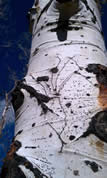
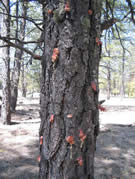
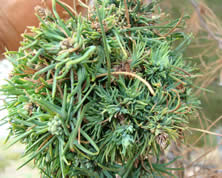
Forest insects, pathogens and diseases play important roles in the ecology of New Mexico’s forests. The disturbances they create help to recycle nutrients and thin overly dense stands. However, there are occasions when endemic insect and pathogen populations switch to an epidemic phase that can threaten entire forested landscapes. The state’s Forest Health Program provides technical and monetary assistance to help mitigate the risks and impacts of forest pests.
Forest Health Initiative Program (FHI)
This cost-share program provides reimbursement funding for the improvement of private forest lands to prevent future bark beetle infestations and other insect, pathogen and disease pressures.
Funded by the U.S. Forest Service’s Western Bark Beetle Initiative, non-industrial private landowners are reimbursed for up to 80% of costs for treating forested land.
- Approved practices involve thinning and slash treatments to prevent future losses by increasing tree and forest health.
- Project locations vary depending on the New Mexico Forest Action Plan and landowner interest throughout the state.
- Projects are considered on a first-come, first-serviced order, but selection is subject to batching based on New Mexico Forestry Division priorities and available funding.
Forest Health Reports
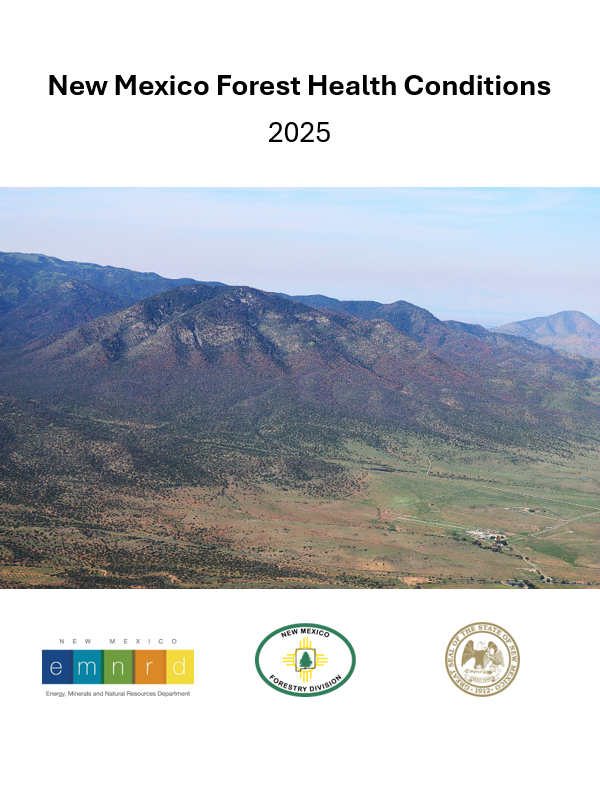
Concerned about the health of your trees?
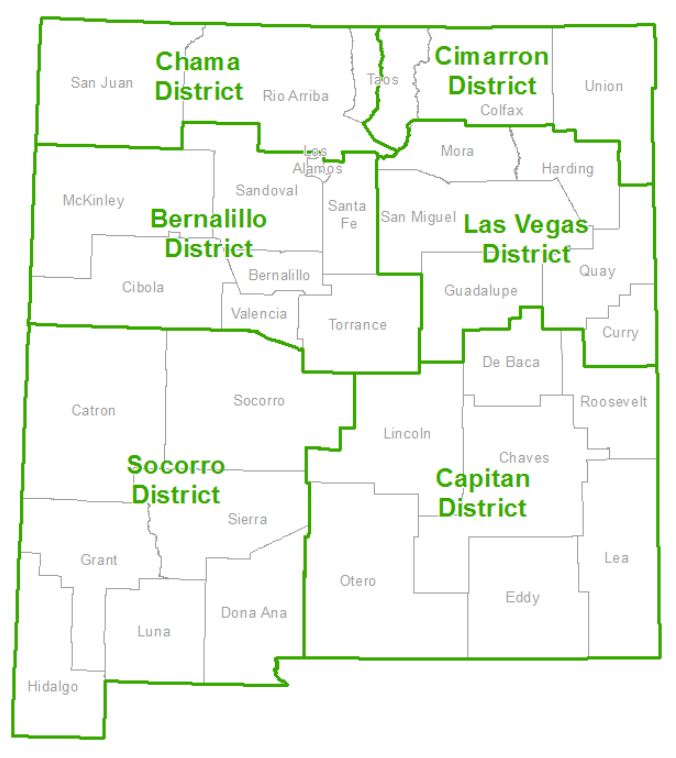
Contact Victor Lucero, Forest Health Program Coordinator, or your local Division district office for more information.
Learn about bark beetles
Click here to learn more about bark beetles, how they work, and how to protect your trees.
New Mexico Forest Health Conditions Report Archives: 2011-2024
Read past forest health reports:
New Mexico Forest Health Conditions Report 2024
New Mexico Forest Health Conditions Report 2023
New Mexico Forest Health Conditions Report 2022
New Mexico Forest Health Conditions Report 2021
New Mexico Forest Health Conditions StoryMap 2021
New Mexico Forest Health Conditions Report 2020
New Mexico Forest Health Conditions Report 2019
New Mexico Forest Health Conditions Report 2018
New Mexico Forest Health Conditions Report 2017
New Mexico Forest Health Conditions Report 2016
New Mexico Forest Health Conditions Report 2015
New Mexico Forest Health Conditions Report 2014
New Mexico Forest Health Conditions Report 2013
Forest health dashboards and StoryMaps
View interpretive visuals for forest health over the years (Note: Use Google Chrome, Firefox or Safari web browsers to access dashboards):
New Mexico Foresth Health Dashboard (2021-2025)
2022 New Mexico Forest Health Conditions Dashboard
2021 New Mexico Forest Health Conditions Dashboard
2021 New Mexico Forest Health Conditions StoryMap
2020 New Mexico Forest Health Conditions Dashboard
2019 New Mexico Forest Health Conditions Dashboard
Multi-agency collaboration assesses two defoliator outbreaks in New Mexico
Signs and Symptoms of Forest Pests
Click below to learn more about bark beetles and the individual trees they target.
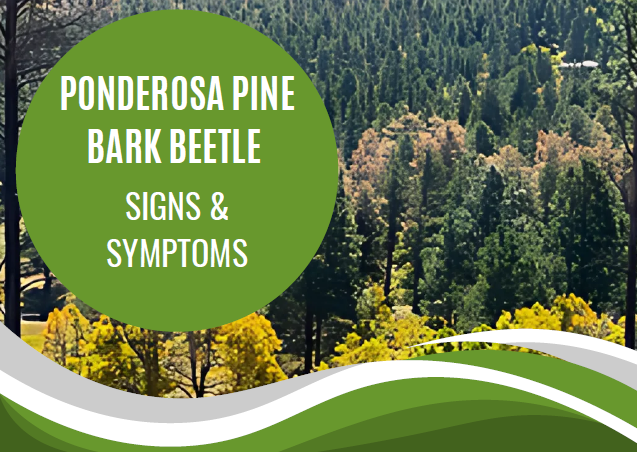
Ponderosa Pine
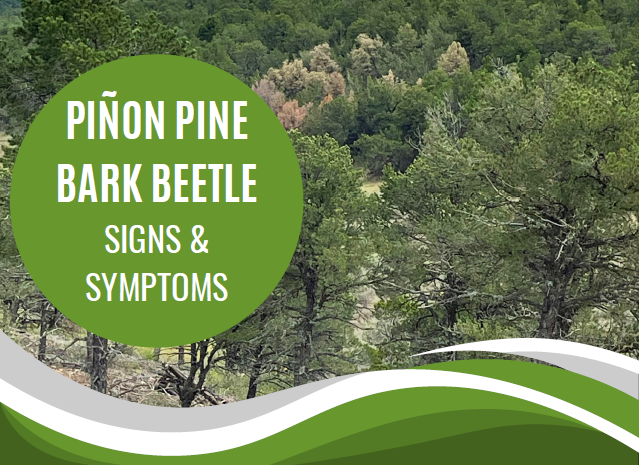
Piñon Pine
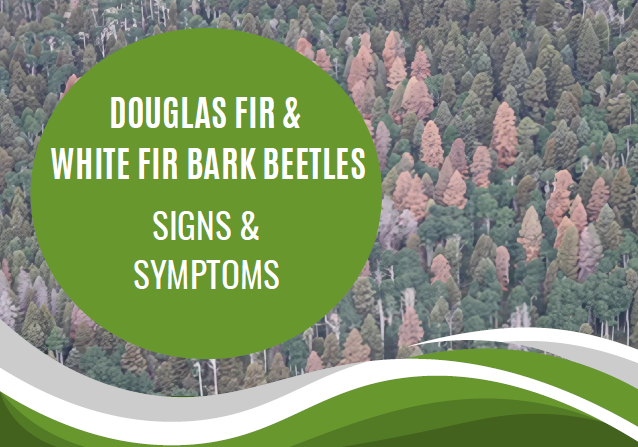
Douglas Fir
Helpful Links
U.S. Forest Service
 Funding for this program is provided by the USDA Forest Service. In accordance with Federal law and U.S. Department of Agriculture policy, this institution is prohibited from discriminating on the basis of race, color, national origin, sex, age, or disability. (Not all prohibited bases apply to all programs.) To file a complaint of discrimination, write USDA, Director, Office of Civil Rights, Room 326-W, Whitten Building, 1400 Independence Avenue, SW, Washington, DC 20250-9410 or call (202) 720-5964 (voice and TDD). USDA is an equal opportunity provider and employer.