 English
 Español
 简体中文
简体中文 العربية
 Deutsch
 Français
 Italiano
 Tiếng Việt
Post Wildfire Coordination
Post Wildfire Coordination
Why a Post-Fire Program?
The New Mexico Forestry Division (NMFD) Post‑Wildfire Program works to:
- Coordinate, carry out, and support post‑fire response on state and private lands.
- Help Forestry Division Districts develop, implement, and improve post‑fire programs that provide direct assistance to landowners and partners.
- Identify gaps in authorities, funding, and information to ensure coordinated post‑fire response across all lands and jurisdictions, protect lives and property, rebuild resilient infrastructure, and restore ecosystems after wildfires.
This page will be updated regularly to reflect ongoing programs and opportunities for post-wildfire restoration. Additional information on specific programs and general resources can be found below.
Click the buttons below to learn more about our current assistance programs
After Wildfire Guide
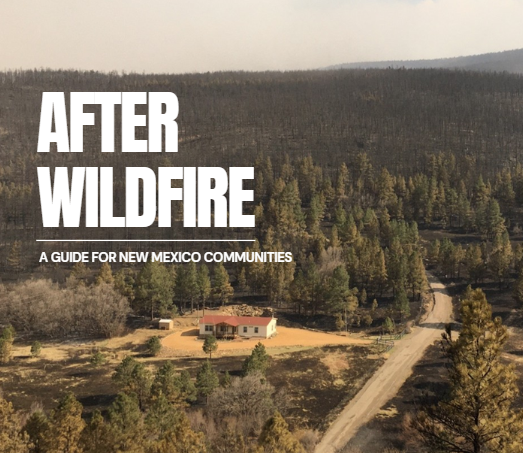
Wildfire can upend lives and communities in an instant, leaving behind not only burned landscapes but also urgent hazards such as post‑fire flooding that requires quick and informed action.
The After Wildfire Guide is a resource created to support New Mexico communities, homeowners, landowners, and local governments navigate the critical period following a wildfire.
Concerned about post-fire well contamination?
Click the image below to begin exploring water filtration options.
What is a hazard tree?
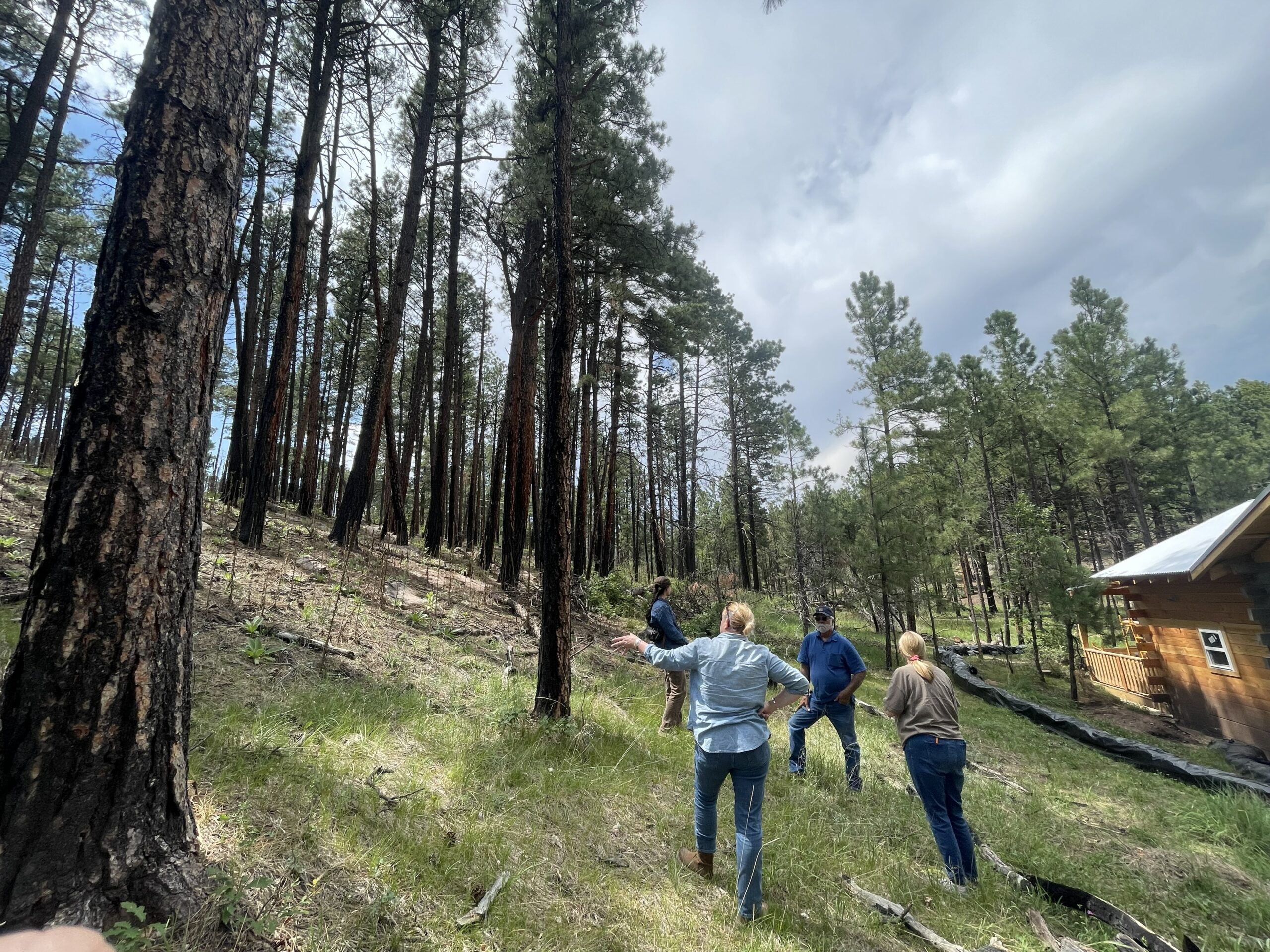
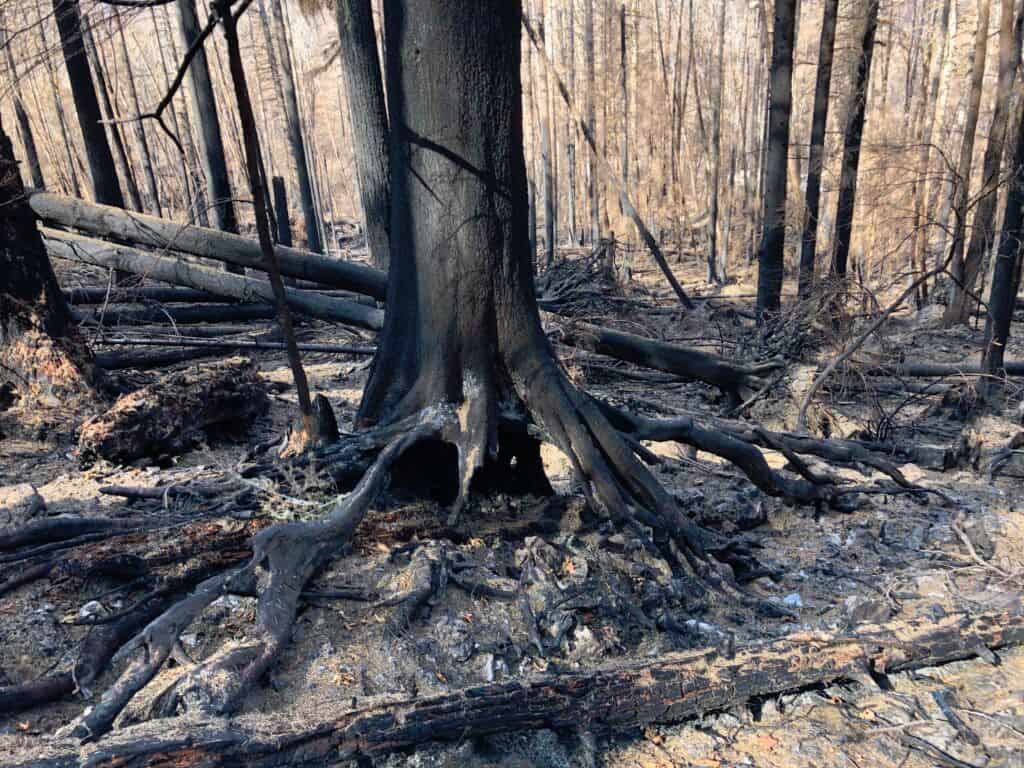
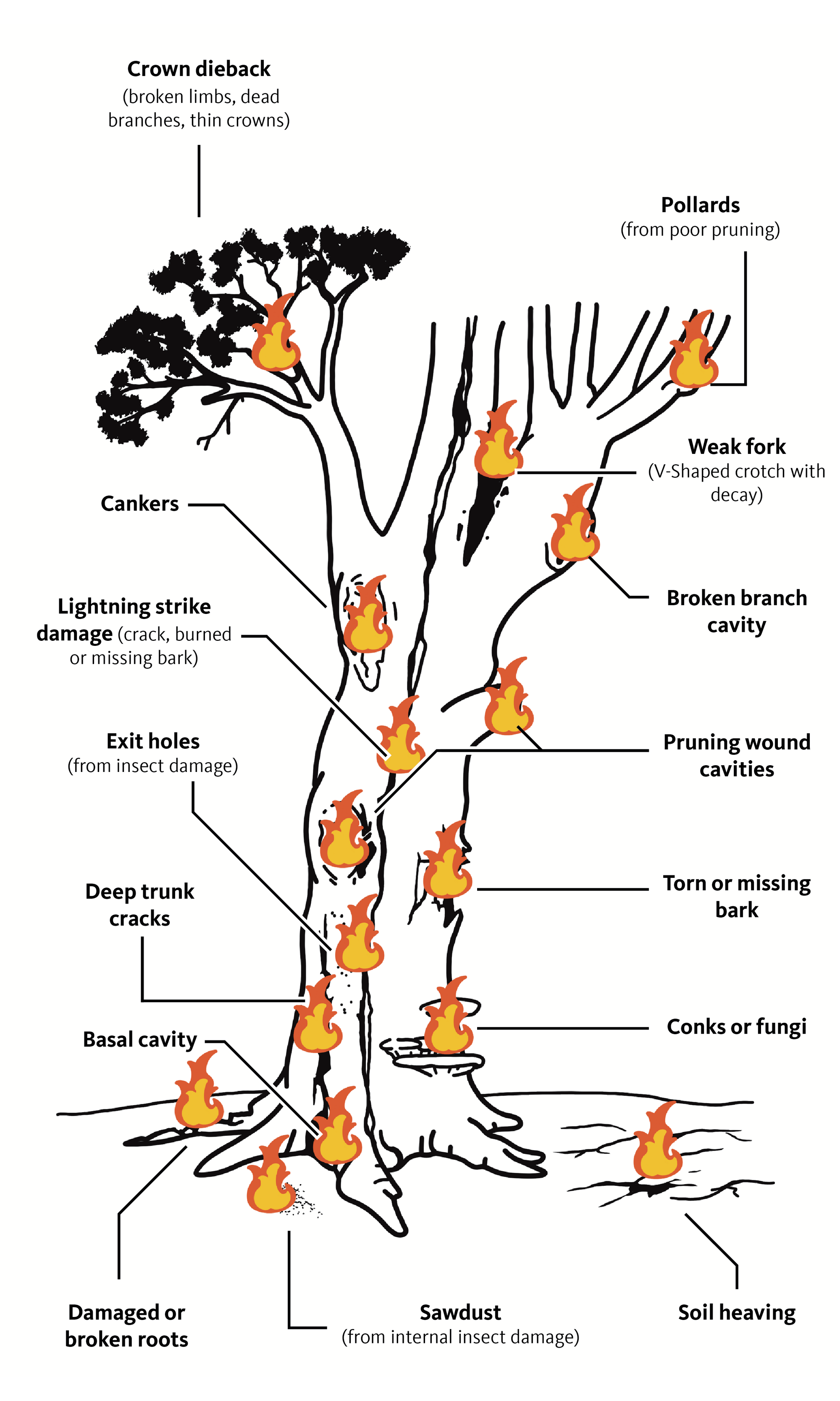
A hazard tree is a tree that has a structural defect that makes it likely to fail in part or in whole. Falling trees are an ever-present hazard, especially in burned areas.
The New Mexico Forestry Division defines a hazard tree as any disaster-damaged tree existing within two tree heights of roads, powerlines, or structures with any of the following features:
- Leaning more than 30 degrees from vertical
- Having more than 75% canopy damage for ponderosa pine, or more than 50% canopy damage for other tree species
- Having a split trunk exposing heartwood
- Have 40% exposed roots
Removing hazardous trees in burned areas is dangerous due to a significant risk that burned trees may fall unexpectedly or drop branches on workers with little or no warning- especially during times of high winds, heavy precipitation, and/or saturated soils. Landowners are encouraged to consult with a qualified forester or contact their local New Mexico Forestry Division district before attempting to remove hazardous trees from their property.
Always use the appropriate personal protection gear when operating a chainsaw, such as: hard hat, gloves, eye protection, hearing protection, chaps, and steel toed boots. Use chainsaws with spark arresters and review their safety instructions. Review safety instructions when using ATVs or other machinery. In the years following the fire, many of the trees will begin to fall on their own as roots, trunks, and limbs decay. Landowners should continue to be aware of these hazards.
For more safety tips, check out this guidance from the U.S. Forest Service.
What Happens After a Wildfire?
Large-scale, high severity wildfire is becoming increasingly common across New Mexico. Wildfires alter soil and vegetation, increasing the risk of flooding and landslides. Burned areas reduce the land’s ability to absorb rainfall – fire-hardened soil sheds water quickly, accelerating runoff and raising the likelihood of flash flooding and debris flows. These heightened risks remain until vegetation recovers, either through natural regeneration or with the assistance of landowners, communities, and natural resource management professionals.
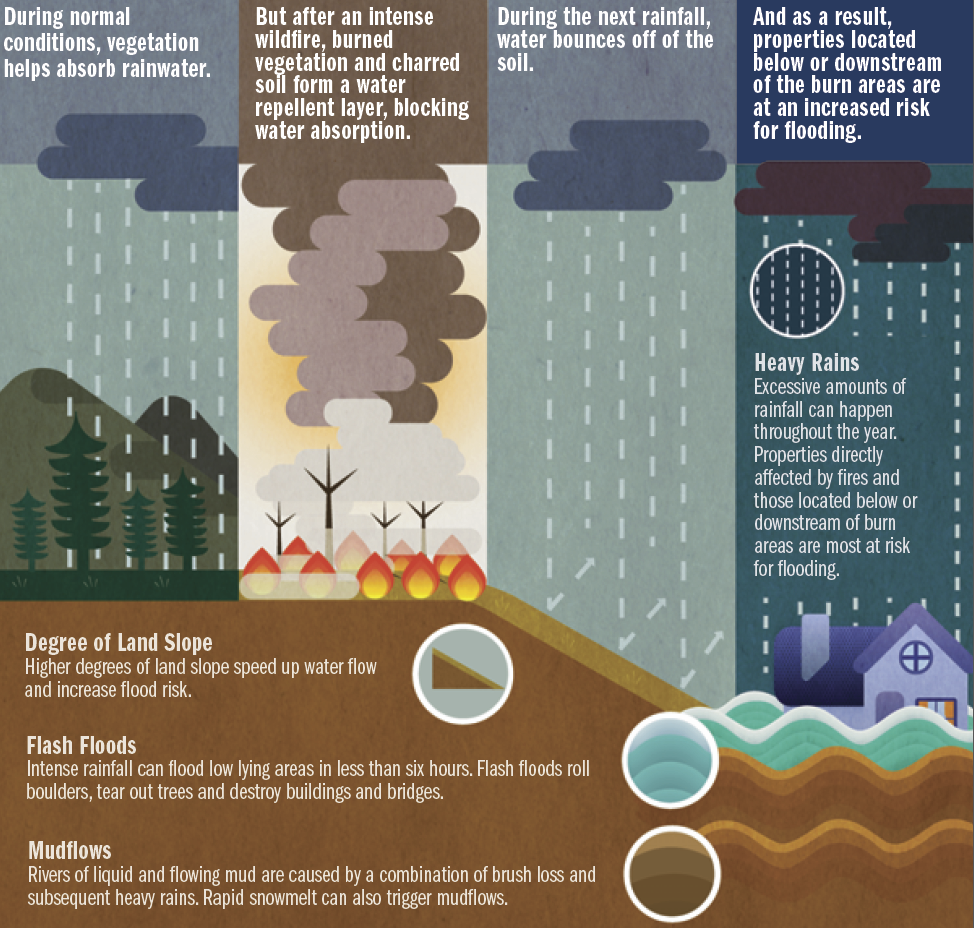
Image description: An illustration depicting wildfire effect on flooding downslope. Image credit: Federal Emergency Management Agency, U.S. Army Corps of Engineers.
Resource Library
Recovery and Ecological Restoration
Recovery for Communities
- After Wildfire: A Guide for New Mexico Communities – This guide was written to help New Mexico communities recover after wildfire. It includes information on mobilizing your community, a list of resources available to communities and individuals for assistance, and a technical guide with information about post-fire treatments to address the catastrophic effects of wildfire on the land and to prepare for potential flooding. An effort is currently underway to
- FEMA Flood After Fire Toolkit – Social posts, infographics, videos, and more resources explaining why wildfires pose increased flooding risk for up to 5 years post-fire.
Best Management Practices for Ecological Restoration
- Contour Felling Landowner Guide – After severe fires, few trees or plants are left to hold soil in place, leading to erosion. Felling and anchoring burned trees along slope contours is one way to reduce erosion and stabilize slopes using materials on-hand. This guide provides an overview of contour felling principles and tips.
- After the Fire: Bark Beetle Management – Bark beetles are a native decay agent found in many southwestern forests. Bark beetles typically attack weakened trees when their defenses are poor. Although destructive, the appetite of bark beetles naturally increases the diversity of tree age and tree size across the forest. After a major wildfire disturbance or drought, however, populations can swell and attack healthy trees. This document lays out bark beetle biology and life cycle, identification and assessment of colonized trees, and management strategies.
Additional resource guides can be accessed by following the links below:
Mental Health and Legal Support Services
Legal Aid Disaster Resource Center: New Mexico South Fork Fire and Salt Fire – Provides a repository of safety and shelter resources, legal assistance, and news and information regarding the South Fork and Salt Fires and other natural disasters.
New Mexico Crisis and Access Line – Whether you’re feeling overwhelmed, struggling with stress, or just need someone to talk to, trained professionals with the New Mexico Crisis and Access Line are ready to listen – 24/7, free, and completely confidential.
-
-
- Call 1-855-NMCRISIS (662-7474) and/or dial 988
-
Disaster Distress Helpline – The first national hotline dedicated to providing year-round disaster crisis counseling. This toll-free, multilingual, crisis support service is available 24/7 to all residents in the U.S. and its territories who are experiencing emotional distress related to natural or human causes.
-
-
- Call or text 1-800-985-5990.
- Si habla Español: Llama o envía un mensaje de texto 1-800-985-5990 presiona “2.”
- For Deaf and Hard of Hearing ASL Callers: Please text or call the Disaster Distress Helpline at 1-800-985-5990 using your preferred Relay provider.
-
Wildfire Preparedness and Education
- Living with Fire Guide New Mexico – Provides recommendations and resources to homeowners, educators, community groups, and firefighting professionals to prepare for wildfire and reduce wildfire threats to homes and communities.
- Firewise USA – Provides simple, effective steps to help communities reduce the risk of destruction from wildfire.
- Fire Adapted Communities Learning Network (FAC Net) – People learning and working together are the foundation of fire adaptation. FAC Net invests in people and in place-based efforts to change relationships with fire.